Why You’re Bloated All the Time (Hint: It’s Not the Food)
By Leah Barack, Gut Health Expert & Functional Nutritionist
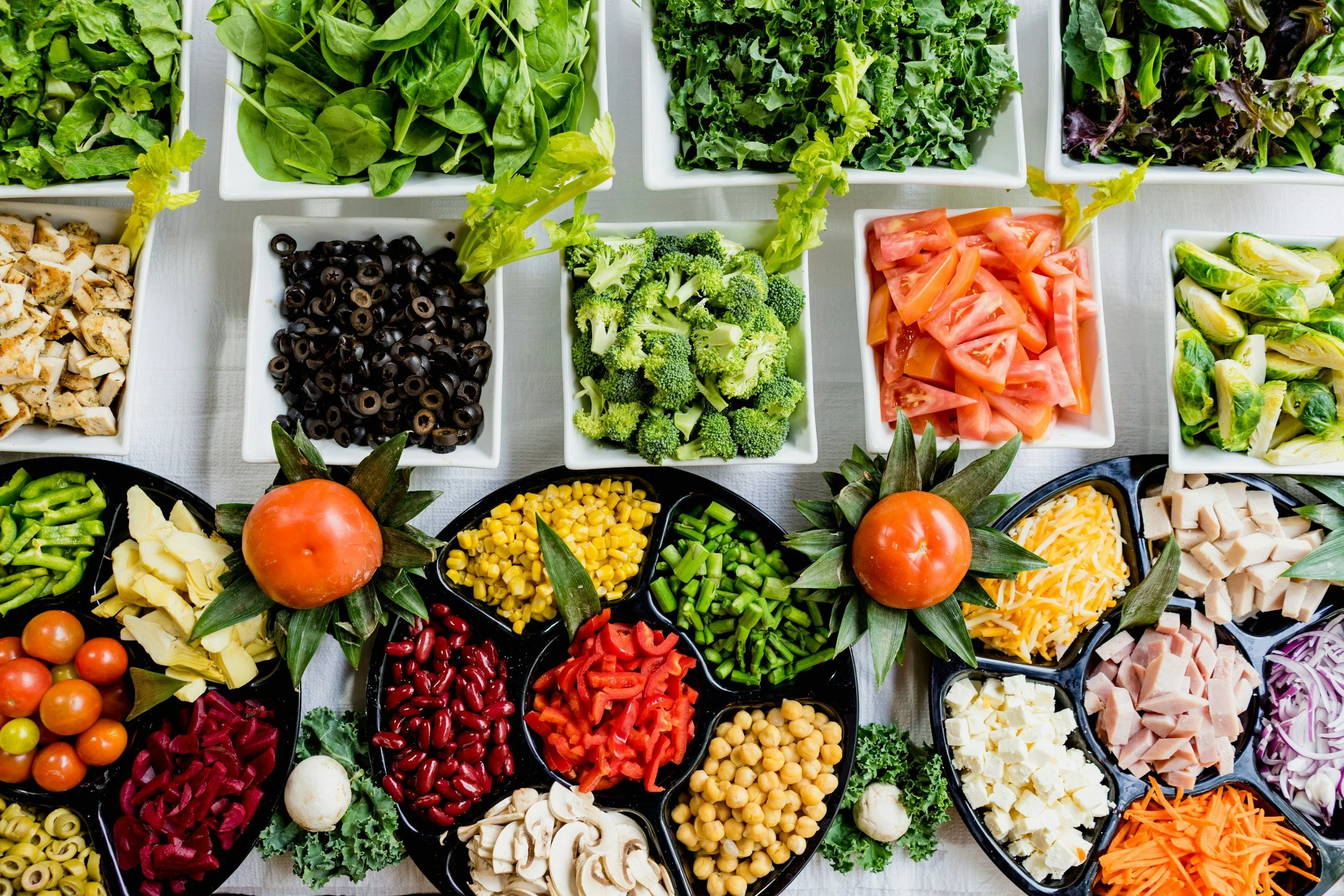
Most women blame the food they’re eating for their bloat, but the food is actually not the problem.
Do you feel like everything makes you bloated?
Salads. Smoothies. “Clean” meals. Even the healthy foods you’re told should help your digestion?
Maybe you’ve already cut gluten. Dairy. Beans. Cruciferous vegetables. Sugar. And yet your stomach still expands as the day goes on — tight, distended, uncomfortable.
Here’s the truth most people aren’t talking about:
Bloating is rarely about the food itself. It’s about the environment the food is entering.
In functional medicine, we call this your gut terrain — the internal ecosystem that determines how well you digest, absorb, and eliminate. When the terrain is compromised, even the “healthiest” foods can create symptoms.
If you want to fix bloating long-term, you don’t need another elimination diet. You need to rebuild the terrain.
Below are the most common terrain imbalances I see in my 1:1 gut health clients — and why they matter more than the food on your plate.
1. Impaired Motility (Sluggish Digestion)
If food isn’t moving efficiently through your digestive tract, it will ferment. Fermentation produces gas. Gas creates pressure. Pressure creates bloating.
Slow motility is one of the biggest reasons women feel distended no matter what they eat.
Signs your motility may be off:
Fewer than 1–3 complete bowel movements daily
A feeling of heaviness after meals
Bloating that worsens as the day goes on
Constipation or alternating constipation and diarrhea
Until motility improves, removing foods won’t solve the root issue.
2. Microbiome Imbalance (Gut Dysbiosis)
Your gut contains trillions of bacteria that help digest fiber, produce vitamins, regulate hormones, and maintain immune balance.
But when harmful bacteria overgrow — or beneficial bacteria decline — your internal terrain shifts.
Instead of efficient digestion, you get excess fermentation and gas production.
This is why one person can eat broccoli and feel amazing… while another feels five months pregnant.
Same food. Different terrain.
3. Low Stomach Acid
Low stomach acid is one of the most overlooked causes of chronic bloating.
Stomach acid is essential for:
Breaking down protein
Signaling the release of digestive enzymes
Preventing bacterial overgrowth
Supporting nutrient absorption
When stomach acid is low, food sits longer in the stomach and small intestine. That stagnation leads to fermentation further down — and bloating becomes inevitable.
Many women assume acid reflux means “too much acid,” when in reality, it’s often too little.
4. Nervous System Dysregulation
You cannot digest in fight-or-flight.
If you’re eating while:
Stressed
Rushed
Working
Scrolling
Having difficult conversations
Your body diverts blood flow away from digestion. Enzyme production drops. Motility slows. The gut becomes reactive.
This creates a terrain where even simple meals feel heavy.
Shifting into a parasympathetic “rest and digest” state before meals is not optional — it’s foundational.
5. Hormonal Fluctuations
Estrogen and progesterone influence:
Gut motility
Microbiome composition
Water retention
Inflammation
If your bloating worsens before your period, around ovulation, or fluctuates month to month, hormones are part of your terrain.
Balancing hormones often reduces bloating more effectively than eliminating foods ever could.
6. Chronic Inflammation
A chronically inflamed gut lining becomes more sensitive to normal digestive processes.
When the intestinal environment is irritated, gas expansion feels exaggerated. Mild distension becomes painful pressure.
Inflammation can stem from:
Ongoing stress
Gut infections
Processed foods
Poor sleep
Blood sugar instability
Again — it’s not just what you eat. It’s the state of the terrain when you eat it.
7. Over-Restriction and Reduced Microbial Diversity
Ironically, constantly eliminating foods can worsen bloating long-term.
When you remove large categories of fiber-rich foods, you reduce microbial diversity. A less diverse microbiome is more reactive and less resilient.
Short-term elimination can calm symptoms. But healing requires rebuilding diversity and resilience.
A fragile terrain reacts to everything. A resilient terrain tolerates most foods with ease.
The Takeaway: Stop Fighting the Food. Fix the Environment.
If you feel bloated after nearly every meal, the answer isn’t a longer “avoid” list.
It’s restoring:
Motility
Stomach acid production
Microbiome balance
Nervous system regulation
Hormonal stability
Gut lining integrity
When the terrain is healthy, digestion becomes efficient. Gas production normalizes. Bloating decreases naturally.
You were never “sensitive to everything.” Your gut environment just needs support.
If you’re tired of blaming food, cycling through elimination diets, and feeling defeated in your own body, it’s time to take a root-cause approach.
📅 Ready to rebuild your gut terrain and finally feel flat, light, and comfortable again?
Apply here to schedule your free call and let’s create a plan for your gut health.